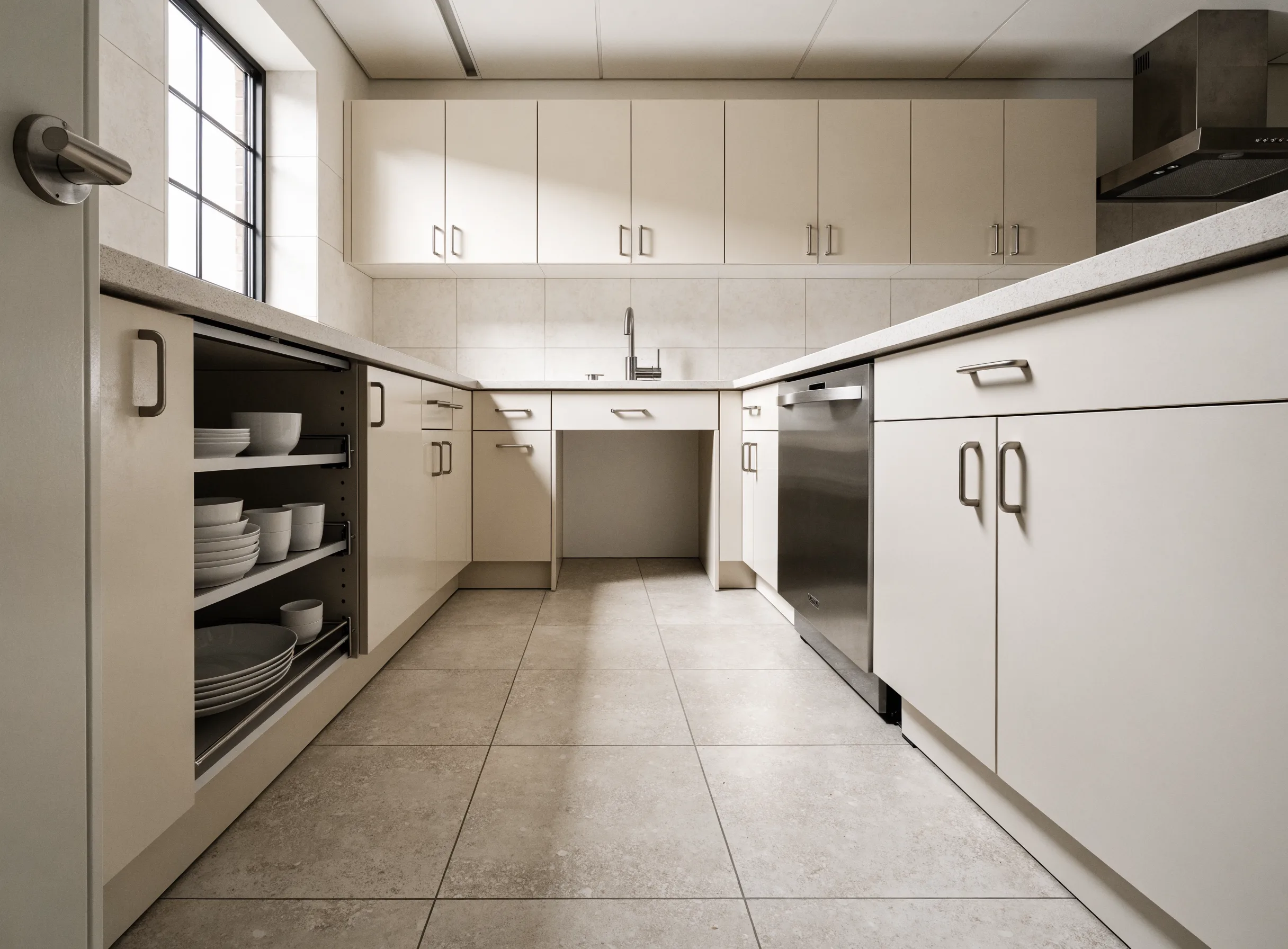
Condo kitchens · Boca Raton, FL
What Can You Change in a Condo Kitchen in Boca Raton?
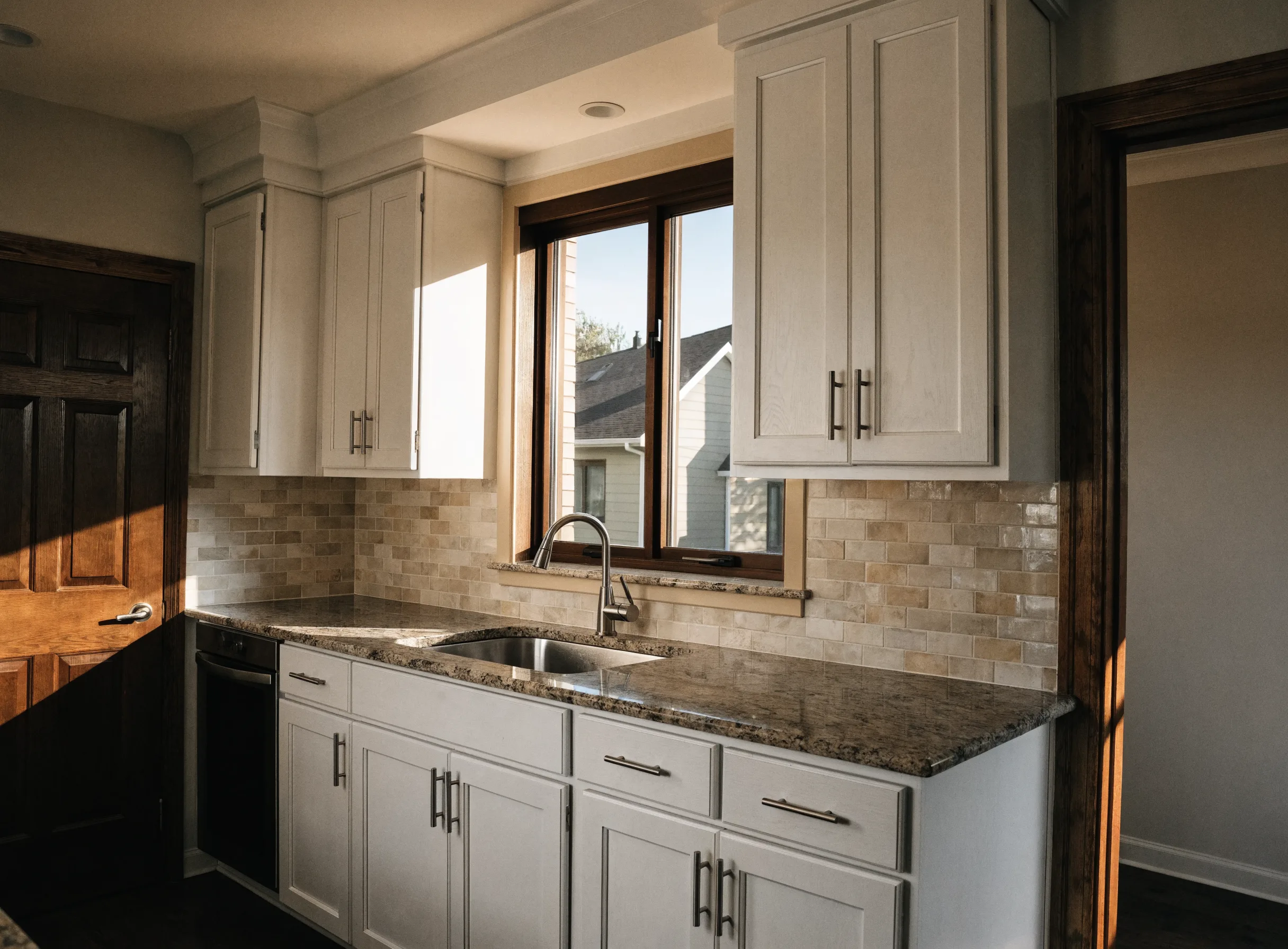
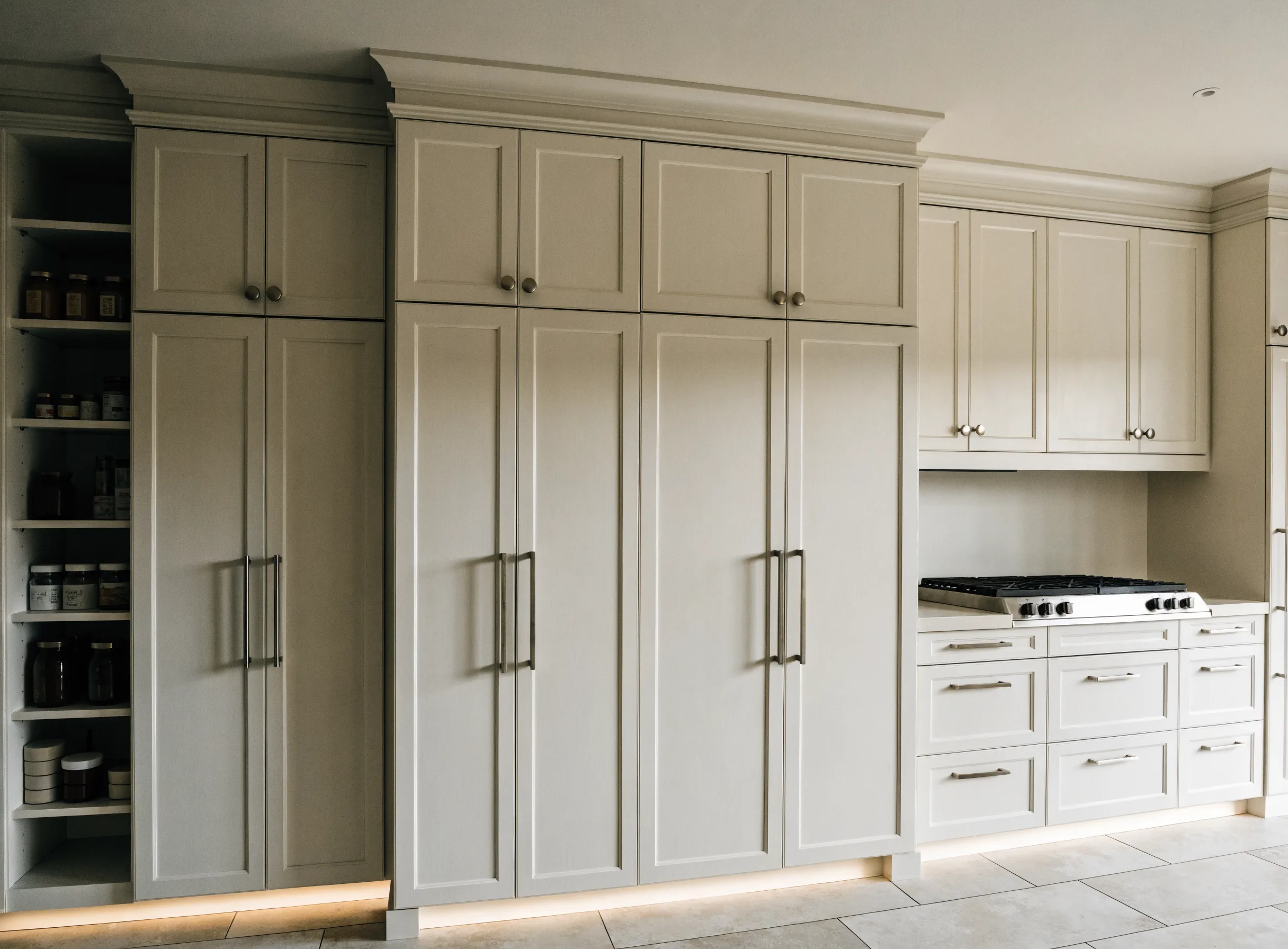
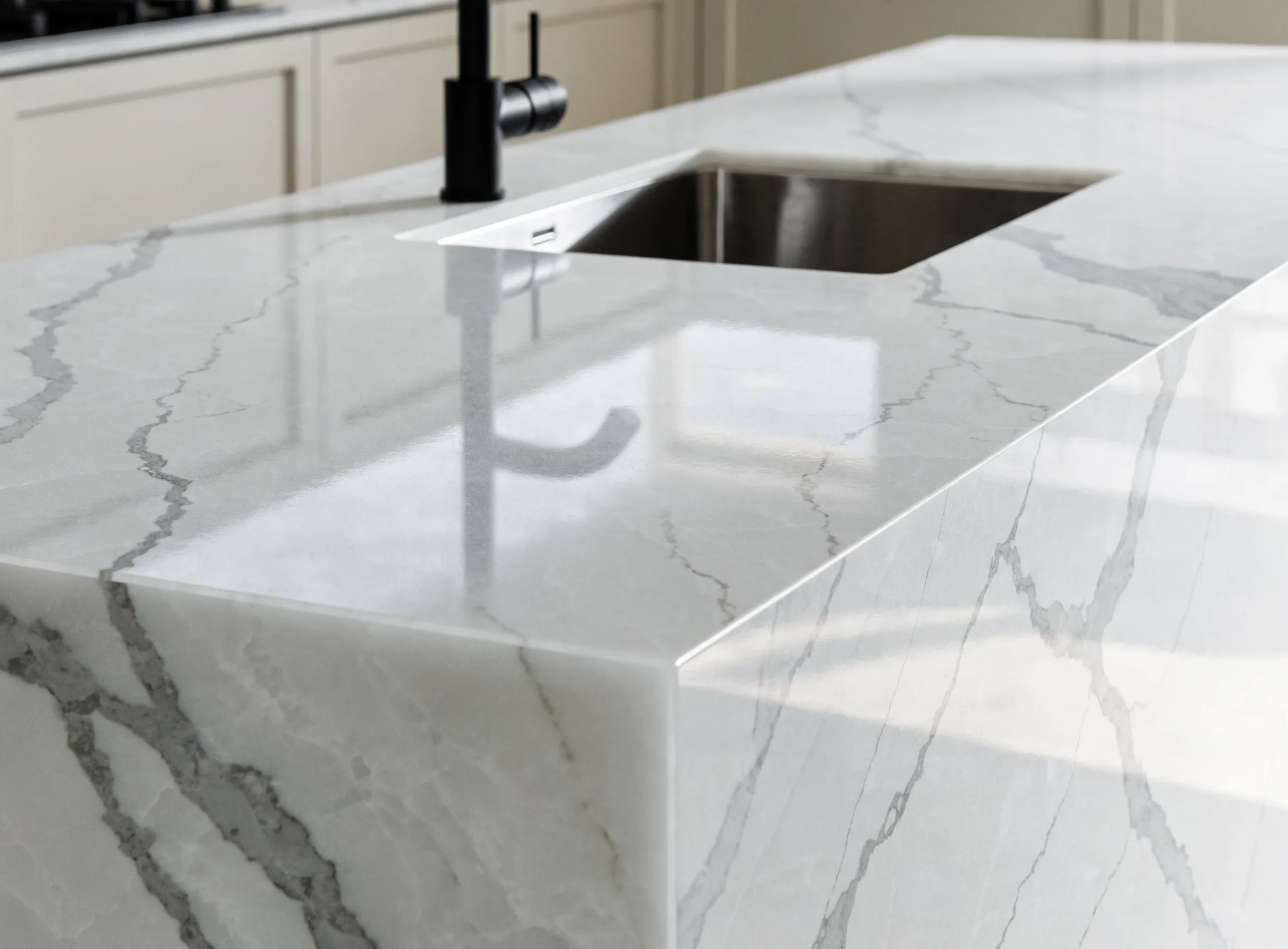
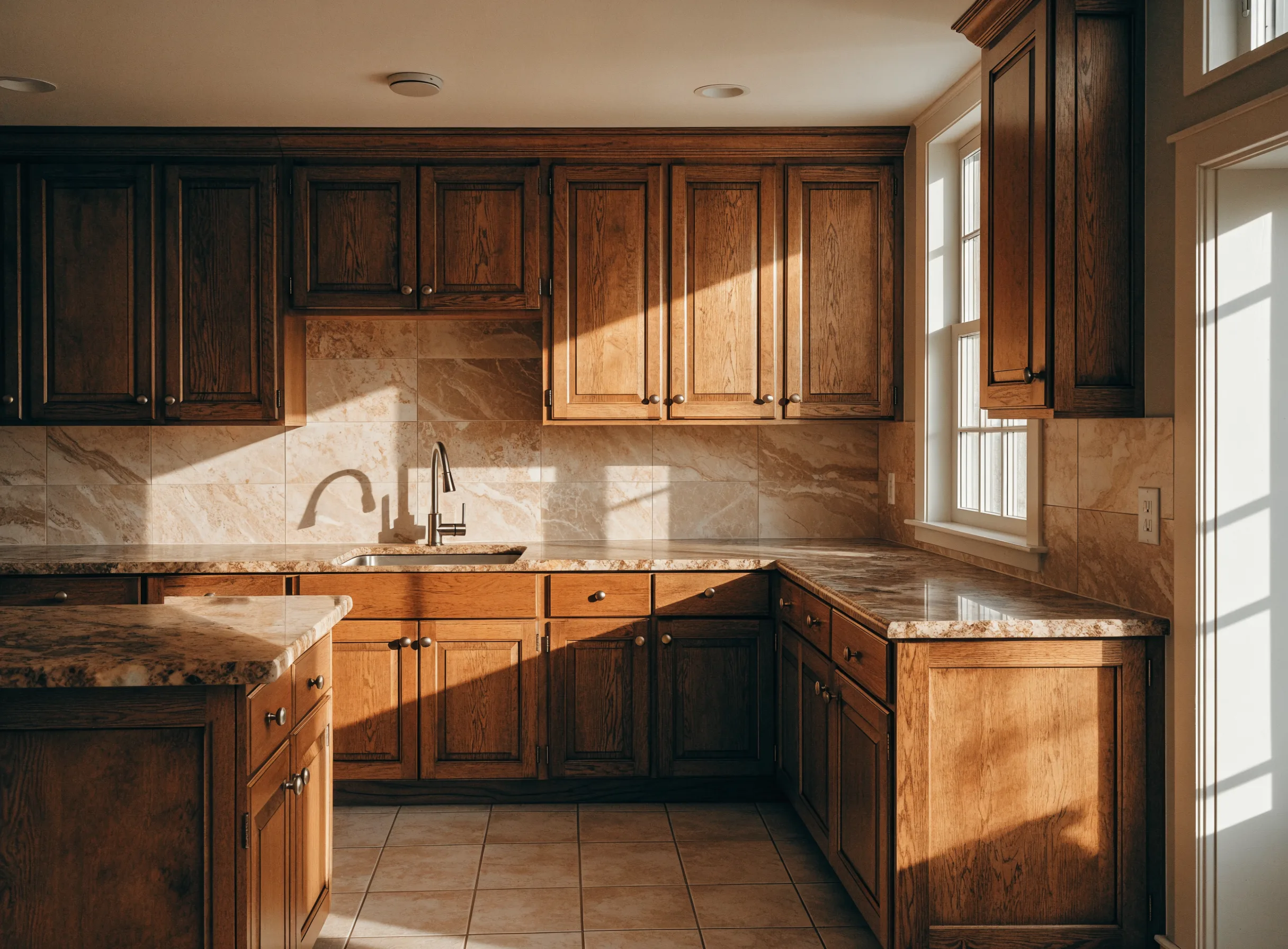
What can you change in a condo kitchen in Boca Raton? What belongs to the unit is yours to change within the association's rules, while a material change to the building goes through the approval your declaration sets out. Florida law splits a condominium into the unit, which you own, and the common elements, which every owner shares, and the declaration draws the line. Cabinets, countertops and appliances inside the unit are yours to replace and to insure.
- Yours to replace and insure
- The unit
- · cabinets, countertops, appliances
- Shared by every owner
- The common elements
- · the declaration draws the line
- Licensed & insured: CGC1524886
- 350+ projects completed
- 2-year labor warranty
- Answered 7 AM–10 PM, 7 days
Where the Unit Ends and the Building Begins
Florida's condominium statute defines both halves, and neither definition is a list. A unit is the part of the property subject to exclusive ownership, as specified in the declaration. The common elements are the portions not included in any unit. So the answer for any single wall or pipe lives in one recorded document.
Walk through what a kitchen touches. The cabinets and the counter sit inside the room, and the sink drains into a line that may also serve the kitchens stacked above and below it. A range hood may vent through a wall facing the outside. And the floor under the tile may be the ceiling of the unit underneath.
None of that can be settled by looking. Two galleys of identical size in two buildings can fall on opposite sides of the line, because each building recorded its own declaration. Read the part that describes where the unit's boundaries run before any plan is drawn.
What the Building's Policy Leaves to You
The sharpest line in the statute is drawn by insurance, and it names the kitchen. The property policy an association carries has to leave out floor, wall and ceiling coverings, electrical fixtures, appliances, and built-in cabinets and countertops that sit within the boundaries of a unit and serve only that unit. The same sentence ends by making that property, and the insurance on it, the responsibility of the unit owner.
Read from a remodel, that is most of what you are about to buy, so a new kitchen raises the value your own policy has to cover, not the building's.
The statute adds a second rule, and this one is about the work. When damage is not paid by insurance and it comes from negligence, or from failing to follow the declaration or the association's rules, the cost falls on the owner, and the people it counts include tenants, guests and invitees. Work done outside the rules can leave its damage with the unit that ordered it.
What a Change to the Building Takes
Moving the sink to another wall, opening the kitchen to the living room or cutting a new vent through an outside wall can each reach into the common elements, depending on where your declaration draws the line. When one does, the statute sets the terms. There can be no material alteration or substantial addition to the common elements except in the manner the declaration provides, and where the declaration is silent, 75 percent of the total voting interests of the association must approve before work begins.
That reverses the usual order. In a building, the first question is which side of the line each move lands on, because a plan that needs the association's approval is a different project from one that stays inside the unit.
A kitchen that keeps the sink, the range and the walls where they are rarely has to ask it.